
Introduction
A company t-shirt design is more than just a piece of apparel; it's a powerful tool that encapsulates the essence of your brand and unites your team under a common banner. Custom t-shirt printing allows businesses to showcase their identity, creating a walking billboard that not only promotes the company but also fosters a sense of belonging among employees.
1- Boosting Profits: When you invest in custom company shirts, you're investing in an advertising strategy with legs—literally. These shirts travel wherever your team goes, providing free, continuous exposure. As your brand visibility increases, so does the potential for new customer engagement and ultimately, profits.
2- Boosting Morale: Company t-shirts do more than advertise; they enhance team spirit. Employees wearing branded apparel feel like part of a larger whole, which can significantly boost morale. A high-spirited team is often more productive and committed to their work, attributes that translate into better service for your customers and better results for your business.
Include 6 essential elements in company t-shirts: logo, tagline, colors, contact info, quality fabric, and professional design. By leveraging custom t-shirt printing, you position your business for growth while nurturing an enthusiastic workplace culture.
Key Design Elements for Company Apparel
1. Selecting Garment Fitting Needs
When it comes to designing professional business shirts, it's important to prioritize both style and comfort. A shirt that fits well not only looks good but also sends a message of professionalism and attention to detail. For company tees, choosing the right size and fit is crucial for several reasons:
1- Employee Comfort: When employees feel comfortable in their shirts, they're more likely to wear them regularly, which helps maintain brand consistency.
2- Professional Appearance: Well-fitted shirts give off a more polished and professional look, which reflects positively on your company.
3- Inclusivity: Offering a range of sizes ensures that all employees, regardless of body type, feel included and valued.
When determining the sizes for your company tees, here are some factors to consider:
1- Different Body Types: Keep in mind that standard sizes may not work for everyone. Look for suppliers that offer a variety of sizes or explore options for custom fits.
2- Fabric Choice: The type of fabric used can impact how a shirt fits. Stretchy materials provide more flexibility in terms of fit, while non-stretch fabrics require more precise sizing.
3- Intended Use: Think about the tasks that employees will be performing while wearing these shirts. If they involve physical work or movement, it may be wise to opt for looser fits that allow for ease of motion.
By taking these factors into account, you can ensure that your employees not only look good but also feel good—which can have a significant impact on morale.
How to Choose Sizes Thoughtfully
Here are some practical tips to help you make informed decisions when it comes to selecting sizes:
1- Gather Employee Input: Before placing an order, consider collecting feedback from your employees regarding their preferred sizes. This can be done through surveys or questionnaires.
2- Provide Samples: If possible, order sample shirts in various sizes for employees to try on. This can help you gauge the best size options for bulk orders.
3- Explore Unisex Designs: Some shirt styles are designed to be unisex, which can simplify the ordering process. However, it's important to recognize that these may not fit all body types equally well.
4- Include Size Charts: Instead of relying solely on generic labels like S, M, or L, provide detailed size charts with measurements. This will assist employees in selecting the size that best suits them.
Being mindful of fitting needs when choosing garments demonstrates your commitment to both employee comfort and brand representation. While it may require extra attention to detail, the payoff in terms of employee satisfaction and brand loyalty is well worth it.
Conclusion
Taking into account the fitting needs of your logo design company tees is an essential part of creating a cohesive and professional look for your team. By prioritizing both style and comfort, you can design shirts that not only align with your brand but also make your employees feel confident and valued. Remember, a happy team leads to a successful business!
2. Choosing Best Colors
Selecting the right colors for your company shirts can significantly influence your brand image and the morale of your employees. The colors you choose should align with your company’s branding and evoke the desired response from both your team and potential clients.
Impact of Professional Business Shirt Design on Brand Image and Employee Morale:
1- Consistency in brand identity: Ensure the shirt colors match or complement your company's logo and existing marketing materials.
2- Psychological impact: Different colors can evoke different emotions. Blue, for instance, often conveys trust and dependability, while green can represent growth and health.
3- Visibility: Some colors stand out more than others, making them ideal for events where you want to draw attention.
Choosing Best Colors:
Color Psychology in Branding:
Understand how color psychology affects perception. For example:
1- Red can signify energy and urgency but also aggression.
2- Yellow often implies optimism but can be overwhelming in large amounts.
Effective Design Tips:
1- Use contrast to make designs pop against the shirt fabric.
2- Consider how colors look in various lighting conditions since they might appear differently outdoors compared to indoors.
When designing winning company tees, remember that choosing best colors goes beyond aesthetic appeal; it's about effective communication and creating a cohesive professional business shirt design that aligns with garment fitting needs and thoughtful size selection from previous discussions.
3. Logo Placement on Corporate T-Shirts
A professional business shirt design isn’t complete without the strategic placement of your company’s logo. The right logo placement can amplify brand recognition and enhance employee morale by fostering a sense of unity and pride. When considering print locations, here are some factors to account for:
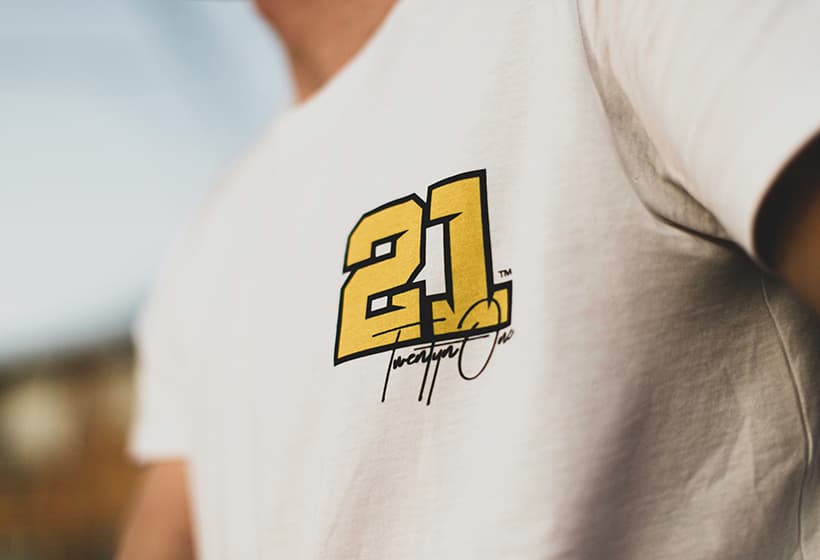
1- Visibility: Ensure the logo is visible when employees are working. Place your company logo strategically for maximum brand visibility on corporate apparel. Common placements include the left chest, which aligns with where most people instinctively look when interacting, or on the sleeve for a subtler branding approach.
2- Size of the Logo: The size should be proportionate to the garment size and fitting needs. A logo too large may overwhelm the shirt design, while one too small may go unnoticed.
3- Professionality: The placement should maintain the shirt's professional look. For example, a logo on the upper back of the shirt can signify a team-based approach without distracting from the front design.
4- Functionality: Consider if certain job roles require name tags or additional graphics that might interfere with logo visibility and adjust placement accordingly.
5- Consistency Across Garments: If choosing sizes thoughtfully across different garment types, ensure that logo placement remains consistent to maintain a cohesive brand image.
Remember, effective design tips include balancing aesthetics with practicality to achieve an impact that resonates both internally within your organization and externally among your audience. Choose print locations that align with your brand values and aesthetic for maximum effect.
4. Branding Requirements for Business Tees
A professional business shirt design goes beyond just displaying a logo—it encapsulates the brand's identity and ethos. When you prioritize appealing designs for your company shirts, you not only elevate the perception of your brand but also boost employee morale. Effective design tips ensure that each garment resonates with your company's vision while looking visually striking.
Professional Design Tips for Company Shirts
Here are some key design tips to keep in mind when creating your professional business shirts:
1- Relevance to Brand: Your design should align with your brand's message and values. If your brand is playful, use more vibrant and dynamic elements; if it’s conservative, opt for clean and simple lines.
2- Simplicity: A clean design often stands out. It should be easy to understand at a glance without overwhelming details.
3- Balance: Use symmetrical or asymmetrical designs to create visual interest that draws the eye across the shirt.
4- Typography: Choose fonts that are legible and reflect your brand's personality. Ensure there is a hierarchy where the most important message stands out.
5- Color Contrast: Select colors that contrast well with the garment yet complement each other, enhancing readability and impact.
6- Scalability: Designs should look great on all sizes, from small tees to larger ones, without losing detail or impact.
By integrating these graphic design principles into your corporate branding elements, you create a product that employees wear with pride and one that makes an impression on clients and partners alike. Your commitment to garment fitting needs and choosing sizes thoughtfully will be evident in the final product—an array of winning company tees that represent your brand with style and professionalism.
5. Considering Sizes and Quantity Thoughtfully
When you start creating professional business shirt designs for your team, paying attention to the details is crucial. It's not just about choosing small, medium, or large sizes; it's about making sure every team member feels comfortable and valued. Here's why sizing is important:
1- Garment fitting needs are extremely important in professional business shirt design. A well-fitted shirt can improve your brand image and boost employee morale, making them feel like they belong.
2- Choosing sizes thoughtfully ensures inclusivity by accommodating different body types within your workforce. This shows that you respect and value every individual.
3- Ordering considerations, such as potential changes in staff or the need for replacements due to wear and tear, are practical factors to think about when placing your order.
To make the right choices regarding sizes and quantity:
1- Assess your team's needs: Get accurate size information from your employees so that you can provide everyone with a comfortable fit.
2- Plan for the future: Think about any new employees or seasonal workers who may require shirts in the future.
3- Prepare for contingencies: Take into account the possibility of lost or damaged garments to avoid running out at the last minute.
By paying close attention to garment fitting needs, you'll not only ensure comfort but also create a strong professional image for your company. Here are some effective design tips:
1- Plan for a range of sizes that represent the diversity of your team
2- Anticipate changes in your workforce numbers over time
Remember, designing impressive company t-shirts design is more than just about looks; it's about making practical decisions that align with how your business operates on a daily basis.
6. Considering Different Garment Types
When choosing the perfect clothing for your business, it's important to know the different types of garments available. Each type has its own advantages and creates a specific impression that can match your brand's identity and employee requirements.
Here are some examples of garment types:
T-shirts
T-shirts are a popular choice for their comfort and versatility. They're great for laid-back environments or as part of a uniform for more physically demanding jobs. T-shirts also provide an opportunity to showcase effective design elements, especially when you want to make a bold statement or promote your brand in a casual way.
Polos
Polos offer a balance between casual and formal with their professional shirt design and comfortable feel. They work well for roles that involve interacting with customers, where maintaining a polished appearance is important. Polos are also known for being durable and easy to care for, making them a practical option for everyday wear.
Button-up Shirts
Button-up shirts are a must-have for corporate settings or occasions that call for formal attire. They exude professionalism and can greatly enhance both brand image and employee confidence when tailored properly and chosen thoughtfully in sizes. A well-fitted button-up shirt demonstrates attention to detail and a commitment to quality.
Each type of garment has its own strengths depending on how and when it's worn:
1- Brand consistent t-shirts may be best suited for team-building events or casual workdays.
2- Polos are ideal for service-oriented roles that require a smart yet comfortable look on a daily basis.
3- Button-up shirts are perfect for meetings with clients or company conferences where a more formal appearance is expected.
As you decide which garment is most suitable for your company, remember to consider the impact of professional business shirt design on both brand image and employee morale.
The Benefits of Company Shirts
Company shirts are a powerful way to showcase your brand and create a professional image for your business. Here's why they're worth considering:
1- Legitimacy: When employees wear company-branded shirts, it shows that your business is established and trustworthy. This can be especially important for new or growing companies looking to build credibility.
2- Professionalism: A well-designed company apparel design not only looks good, but it also sends a message that your business values professionalism and attention to detail. This can help instill confidence in both your team and your customers.
3- Branding: Company shirts are like mobile billboards for your brand. With the right colors and design, they can help increase brand recognition and make a lasting impression wherever they're worn.
4- Style Points: Gone are the days of boring uniforms. Today's company shirts can be stylish and trendy, turning your employees into brand ambassadors who proudly represent your company's values.
5- Team Cohesion: When everyone on your team wears matching shirts, it creates a sense of unity and belonging. This can strengthen collaboration and foster a positive work environment.
6- Value to Employees: Company shirts can also be seen as a form of appreciation for your employees. By providing them with branded apparel, you're showing that they are an integral part of your company's success.
By incorporating custom t-shirts design into your business strategy, you can enjoy these benefits and more. It's a simple yet effective way to invest in your brand image and create a positive company culture.
Recommendations for Garment Choices, Colors, and Design Elements
Selecting the right garments for your company apparel design is a decision that depends on both the nature of work your employees do and the budget you have. Here are some important things to think about:
Garment Choices
Choose materials that match the job requirements. For example, breathable fabrics like cotton are great for outdoor work, while moisture-wicking synthetic blends may be better for physical activity. Durability is also important; heavier materials can handle more wear and tear for jobs in construction or mechanics.
Budget Considerations
It's smart to balance quality with cost-effectiveness. Higher quality often means a higher price, but investing in durable shirts can mean fewer reorders. Think about both the initial costs and the long-term value of the garments you choose.
When it comes to design elements:
Garment Color Considerations
Choose colors that represent your brand and appeal to your audience. The color of the shirt can have a big impact on how your logo and design look, so pick shades that go well with your ink colors instead of clashing with them. Use consistent brand colors in company t-shirt designs to reinforce corporate identity & recognition.
Ink Colors
The ink color should stand out nicely against the garment so that people can easily read and see your design. Keep in mind that certain colors might appear different when printed on different colored fabrics, so it's always a good idea to ask for a sample or proof before finalizing your order.
Using Halftones
To create more depth and detail in your designs without adding extra printing costs, think about using halftones. This technique uses varying sizes and spaces between dots to make gradients, allowing for more complex images without making the printing process harder.
Each element has its role in making a company shirt that not only looks professional but also holds up well to everyday use while showing off your brand.
Print Locations, T-Shirt Design Messages, and Other Considerations
Selecting the right logo design company tees is as crucial as the design itself. You want your brand's logo and message to be visible and impactful, resonating with both the wearer and the observer. Here are some key considerations for print placement:
1- Front and Center: Ideal for maximum visibility. This area ensures your logo or message is unmissable.
2- Back: Offers a larger canvas for detailed messages or graphics, perfect for when employees are facing away from the client or audience.
3- Sleeve Prints: Adds a subtle branding touch that can complement the main design or convey secondary information.
4- Nape of Neck: A discreet location for a minimalist logo or brand name, visible when the hair is up.
Company apparel design serves not just as a uniform but as a powerful medium to convey a message about your brand or company. A well-crafted t-shirt design can:
1- Showcase Brand Personality: Whether it’s playful, professional, or creative, your t-shirt can reflect this.
2- Promote Company Values: Use slogans or imagery that resonate with your company's ethos.
3- Encourage Team Spirit: A shared design fosters a sense of belonging among team members.
4- Act as a Mobile Billboard: When worn in public spaces, it serves as free advertising.
Remember that every element of your t-shirt from color to typography plays a part in this communication. Striking the right balance between aesthetic appeal and message clarity will turn your company shirts into effective tools for brand storytelling.
Ordering Strategies for Company Shirts
When you plan company t-shirt design orders, it's strategic to include a few extra shirts. Here's why:
1- Emergencies and Replacements: Workplaces are dynamic, and accidents happen. Whether it’s a coffee spill minutes before an important meeting or wear and tear over time, having spare shirts ensures that your team always looks its best.
2- New Team Members: As your team grows, new members will need company gear. Anticipating this by ordering extra shirts avoids the rush to place small orders later on.
Matching companion items can significantly amplify your brand presence:
1- Brand Continuity: Items like hats or aprons that complement the company shirts create a cohesive look, reinforcing your brand identity.
2- Professionalism: Matching items are not just about aesthetics; they signal a well-thought-out approach to your business’s presentation.
Lastly, consider embroidery for caps to elevate your branding:
1- Durability: Embroidery lasts longer than most other forms of cap branding, ensuring your logo stands the test of time.
2- Perceived Value: Items with embroidery often have a higher perceived value, which can reflect positively on your company's image.
By implementing these ordering strategies, you ensure preparedness for various scenarios while strengthening brand recognition and consistency across different types of professional apparel design.
Conclusion
Embrace the power of a well-designed company t-shirt to make a tangible impact on your business. By applying the six essential tips shared in this article, you create more than just apparel; you forge a symbol of unity and brand identity that resonates with both employees and customers. Experience how a thoughtfully crafted brand consistent t-shirts can contribute to boosting profits and morale within your team.
1- Select Garment Fitting Needs: Ensure comfort and representation for every team member.
2- Choose Best Colors: Utilize color psychology to reinforce your brand's message.
3- Print Logo in Right Locations: Maximize visibility and brand recognition.
4- Create Appealing Designs: Captivate attention with designs that speak volumes.
5- Consider Sizes and Quantity Thoughtfully: Be prepared for all scenarios and team members.
6- Explore Different Garment Types: Align your choice with the nature of the workplace.
Your company t-shirt is a canvas that tells your story. By integrating these strategies, you elevate your brand's professionalism and style. Professional company t-shirt design builds credibility—reflect your brand values in every element. Witness the transformation in team cohesion as employees proudly wear your brand. Encourage them to embody the values your company stands for, turning every member into an ambassador for your message.
Take these insights, tailor them to fit your unique narrative, and watch as your company t-shirts become a driving force in boosting profits and morale.