Vibrant color, sharp detail, and a reliable transfer that works on many fabrics—DTF makes custom t-shirts easy to scale.
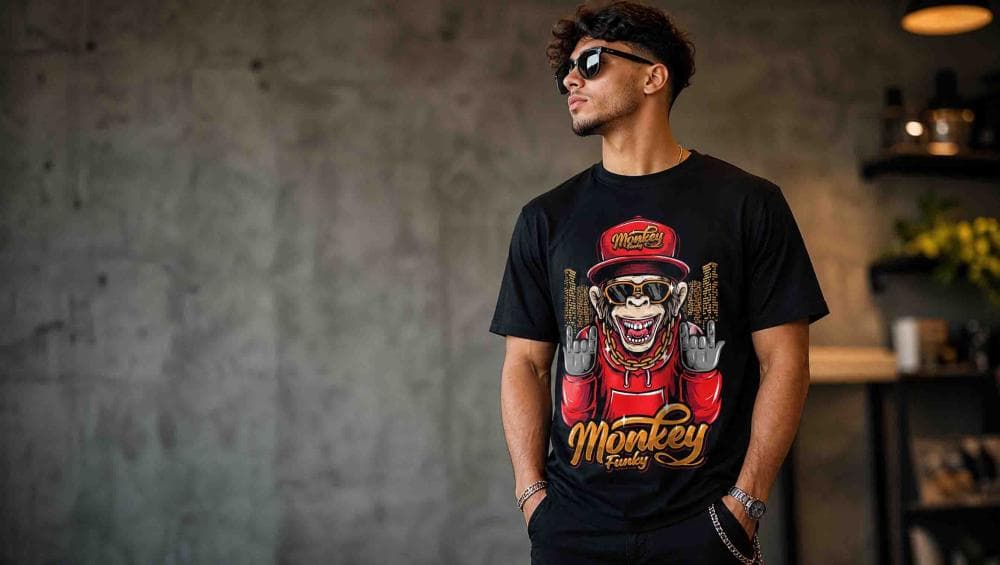
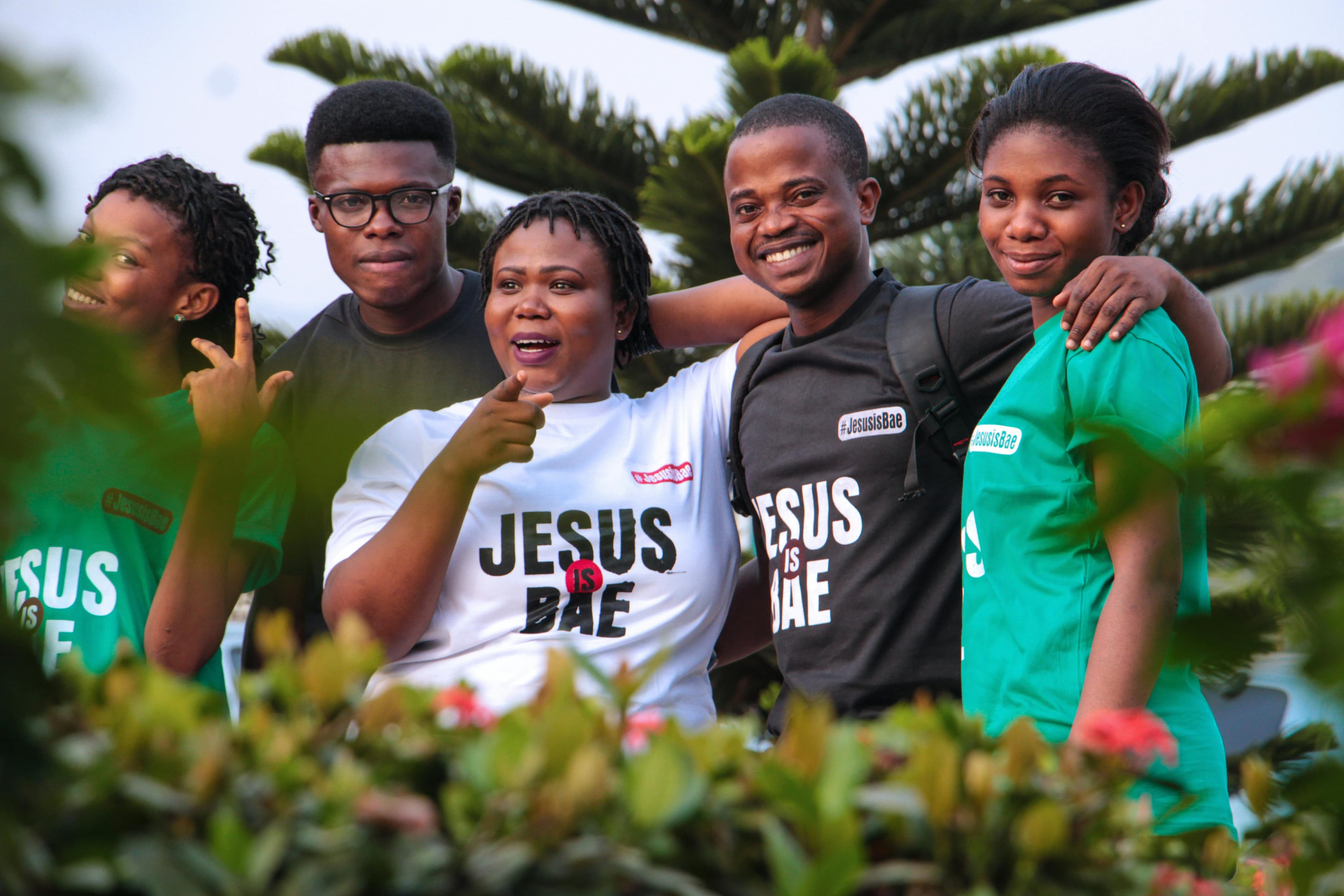

Here’s what happens once we receive your design—expanded slightly for clarity, while keeping the DTF printing process easy to scan and keyword-aligned.
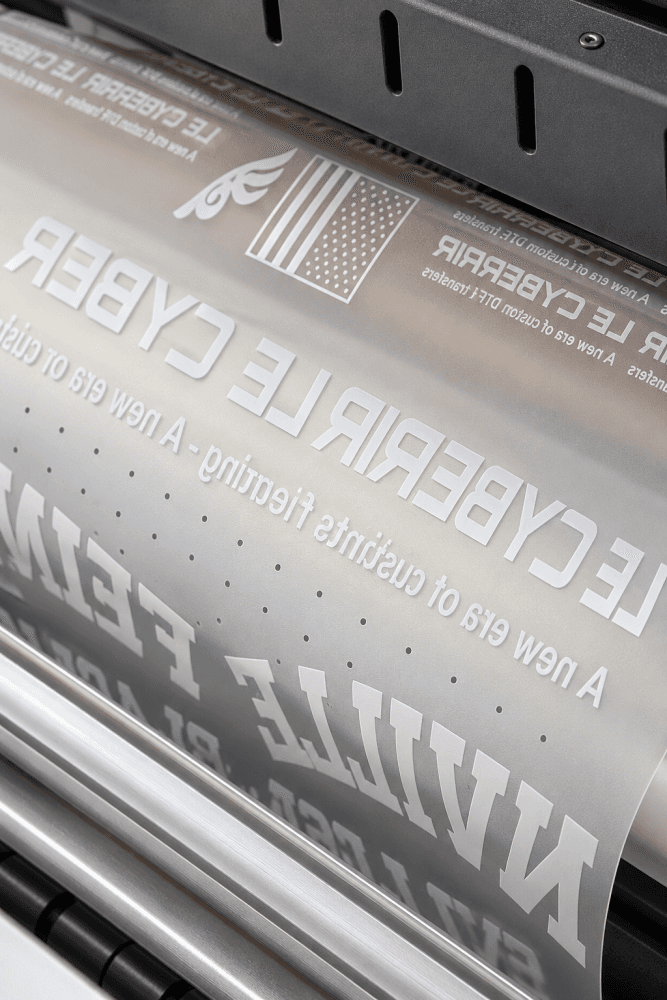
We start by printing your artwork in reverse using professional DTF ink on a special PET film.
This “print on film” step is what makes DTF transfers possible. For dark garments, we add a DTF white underbase layer behind the colors so the final print stays bright, accurate, and high contrast on dark t-shirts (instead of looking dull or transparent).
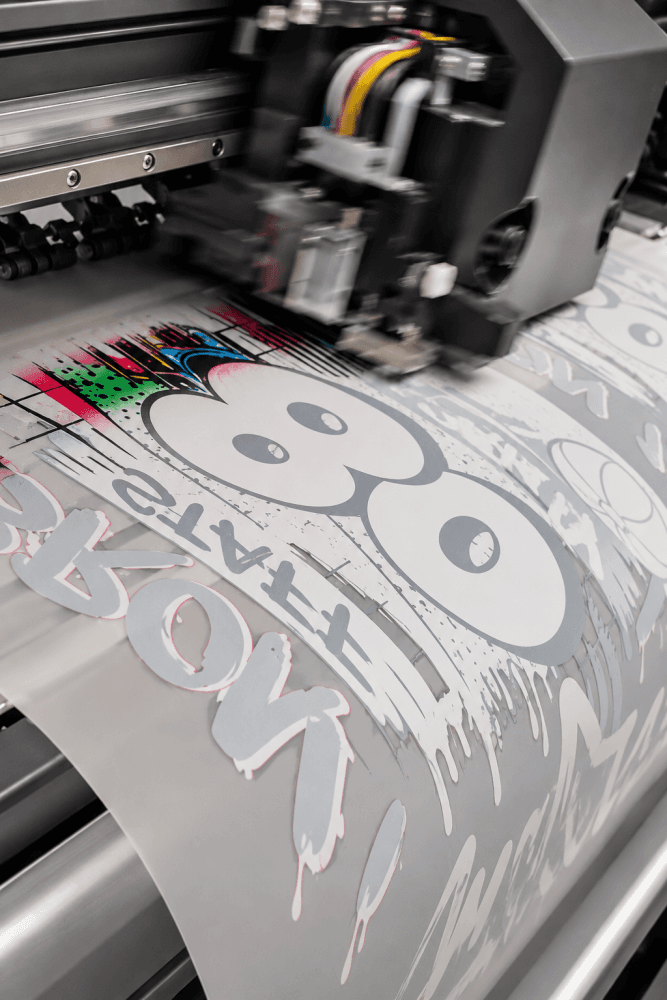
While the ink is still fresh, we apply DTF powdered adhesive across the printed areas.
This powder is the bonding layer that helps the design permanently attach during the DTF heat press transfer stage.
We aim for consistent coverage so fine lines, small text, and solid fills press cleanly without weak spots.
Next, the film goes through a controlled DTF curing process where heat melts and “sets” the adhesive onto the ink.
This step stabilizes the transfer so it can be pressed onto many fabrics—including DTF printing on cotton polyester blends—with reliable results. Proper curing is key for a smooth finish and wash durability.
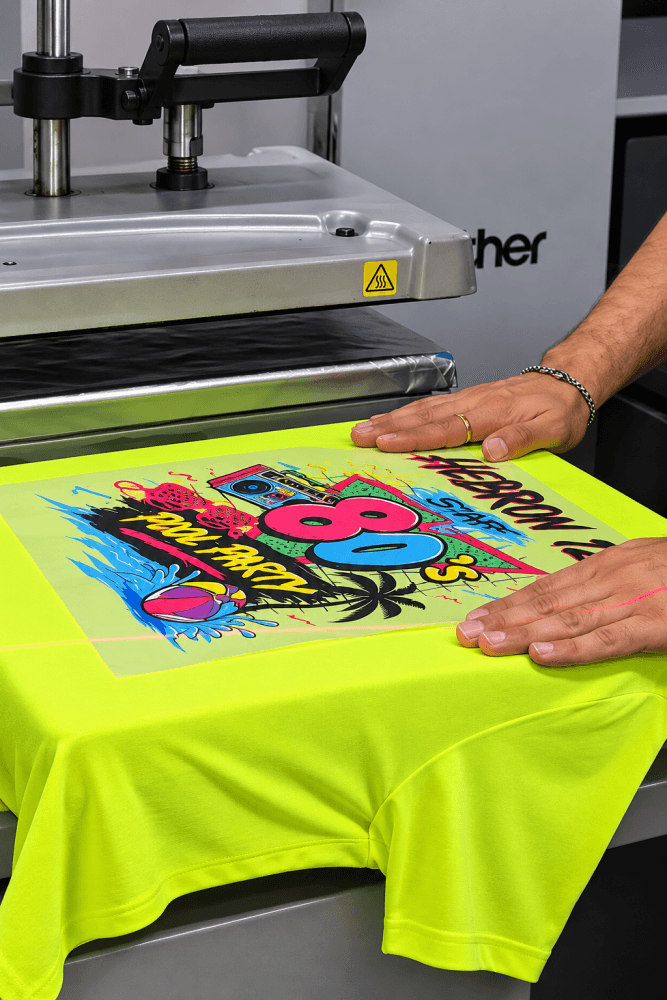
We position the transfer precisely on the garment and run a heat press DTF transfer using controlled heat, pressure, and time.
This activates the adhesive and bonds the print to the fabric.
Because the design is transferred (instead of printed directly onto the garment), direct to film printing performs well across different fabric types and garment colors.
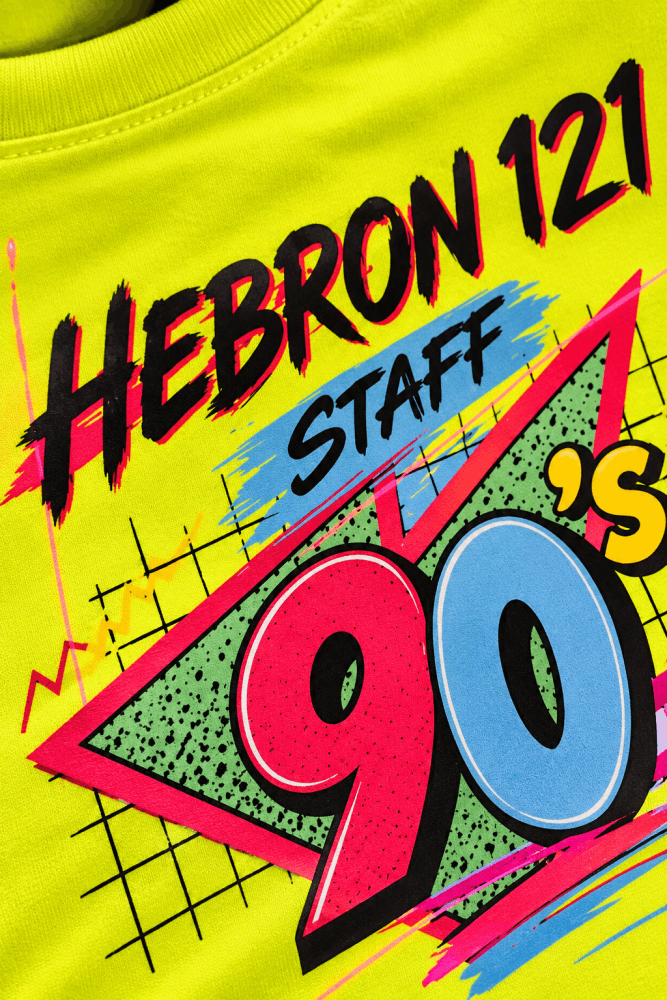
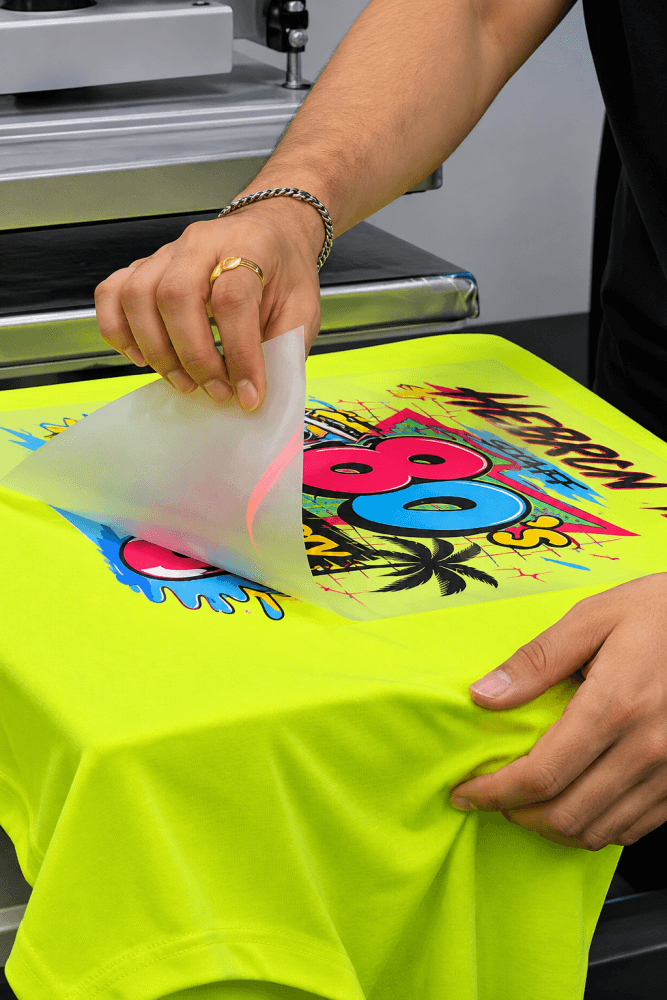
After pressing, we let the transfer cool to the appropriate stage and complete peeling & finishing.
Depending on the material, this can align with “DTF peel hot peel vs cold peel” behavior without overcomplicating the process. For many orders, we also do a DTF second press post press to smooth the surface and improve long-term durability—helping reduce the risk of edge lift and supporting a clean, professional look on custom t-shirts.

Explore our guides and FAQs to choose the right product, print method, and timeline.
Print-ready artwork at the correct size is key. Using clean edges, proper backgrounds, and the right export settings helps DTF prints come out sharp and professional.
DTF printing (direct to film printing) creates a transfer first, then bonds it to the garment using heat and pressure. Your artwork is printed on film with DTF ink, often with a white underbase for strong color. Powdered adhesive is applied, the transfer is cured, and then a heat press DTF transfer bonds the design to the fabric. This workflow makes DTF transfers a flexible option for full color custom t-shirts on many fabric types.
A properly produced DTF printing process is designed for durability, but longevity depends on correct pressing, curing, and garment care. For best results, wash custom t-shirts inside out, use cold or warm water, avoid harsh bleach, and dry on low heat or hang dry. When these basics are followed, DTF transfers hold color well and resist cracking or peeling for everyday wear.
Yes—DTF transfers are well-suited for dark t-shirts. The DTF white underbase acts as a bright foundation layer so your colors stay vivid and accurate instead of getting muted by the fabric color. In direct to film printing, this underbase is printed beneath the artwork where needed, then bonded during the curing and heat press steps. The result is stronger contrast, cleaner detail, and more vibrant finished custom t-shirts.
Find the right decoration style for your t-shirts.

Prints vibrant ink on fabric, ideal for bulk orders with bold, long-lasting designs.
Explore More
Prints directly into the fabric; ideal for small runs with highly detailed, full-color artwork.
Explore More
Cut vinyl applied with heat; great for names, numbers, and simple designs in short runs.
Explore More
Stitched decoration; best for logos and small designs on polos, caps, and outerwear.
Explore More